Fia–Kedi (meaning eating of new yam), is the annual yam festival of the Deloo/Delo (Ntrubo) people of the Nkwanta South Municipality in the Oti Region. Celebrated at Bontibor, the traditional capital and spiritual centre of the North Ntrubo Traditional Area and Ntrubo Traditional Area, the festival marks the beginning of the new yam harvest and the ceremonial thanksgiving to Kpebu, the revered deity of the land, and to the ancestors who are believed to continue watching over the communities. Fia–Kedi is a sacred occasion that reflects the Deloo people’s deep connection to agriculture, spirituality, and ancestral heritage.
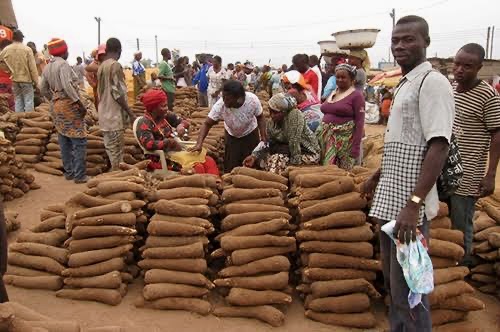
The festival is preceded by an elaborate period of purification and spiritual preparation. Before the new harvest can be eaten, shrine priests (Saise), elders, and traditional authorities conduct cleansing rites intended to remove impurity, misfortune, and spiritual contamination from the community. Sacred spaces, shrines, and ritual sites are purified through prayers, libation, and traditional offerings. Families are encouraged to settle disputes and restore broken relationships, as unity and harmony are considered necessary for the blessings of Kpebu to rest upon the land. These rites symbolize the cleansing of both the people and the environment, allowing the community to enter a new agricultural season with renewed strength, peace, and spiritual balance.
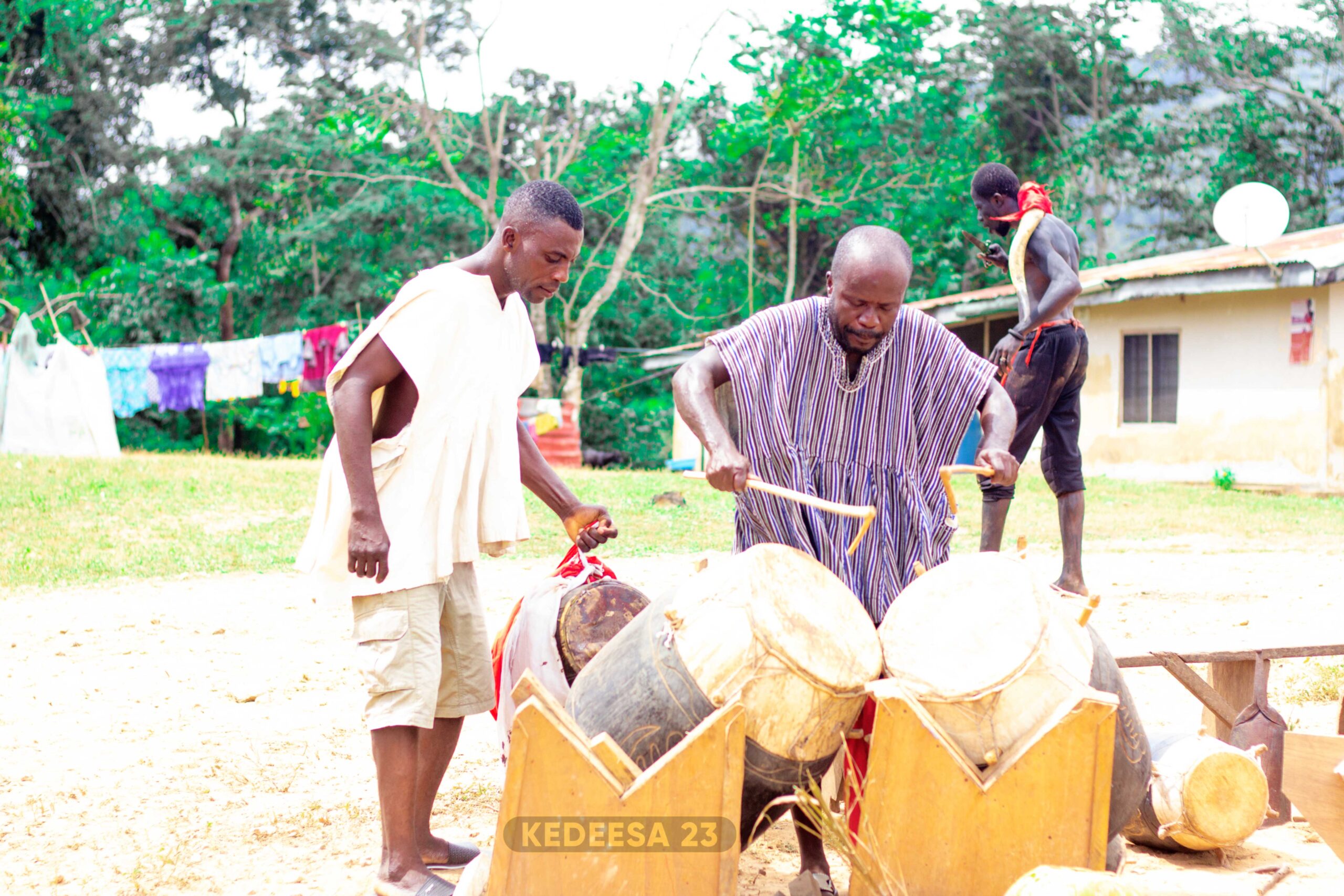
A central feature of the purification period is the invocation of the ancestors, who occupy an important place in Deloo belief and tradition. Ancestors are regarded as guardians and custodians of the community’s welfare, linking the living to past generations. During Fia–Kedi, libations are poured and special offerings are presented in remembrance of departed elders and family forebears. Traditional prayers call upon the ancestors to continue protecting the people, guiding community leaders, ensuring peace within families, and interceding for abundant harvests and prosperity. The ancestral rites are both an expression of gratitude and a reaffirmation of the enduring relationship between the living and the departed.
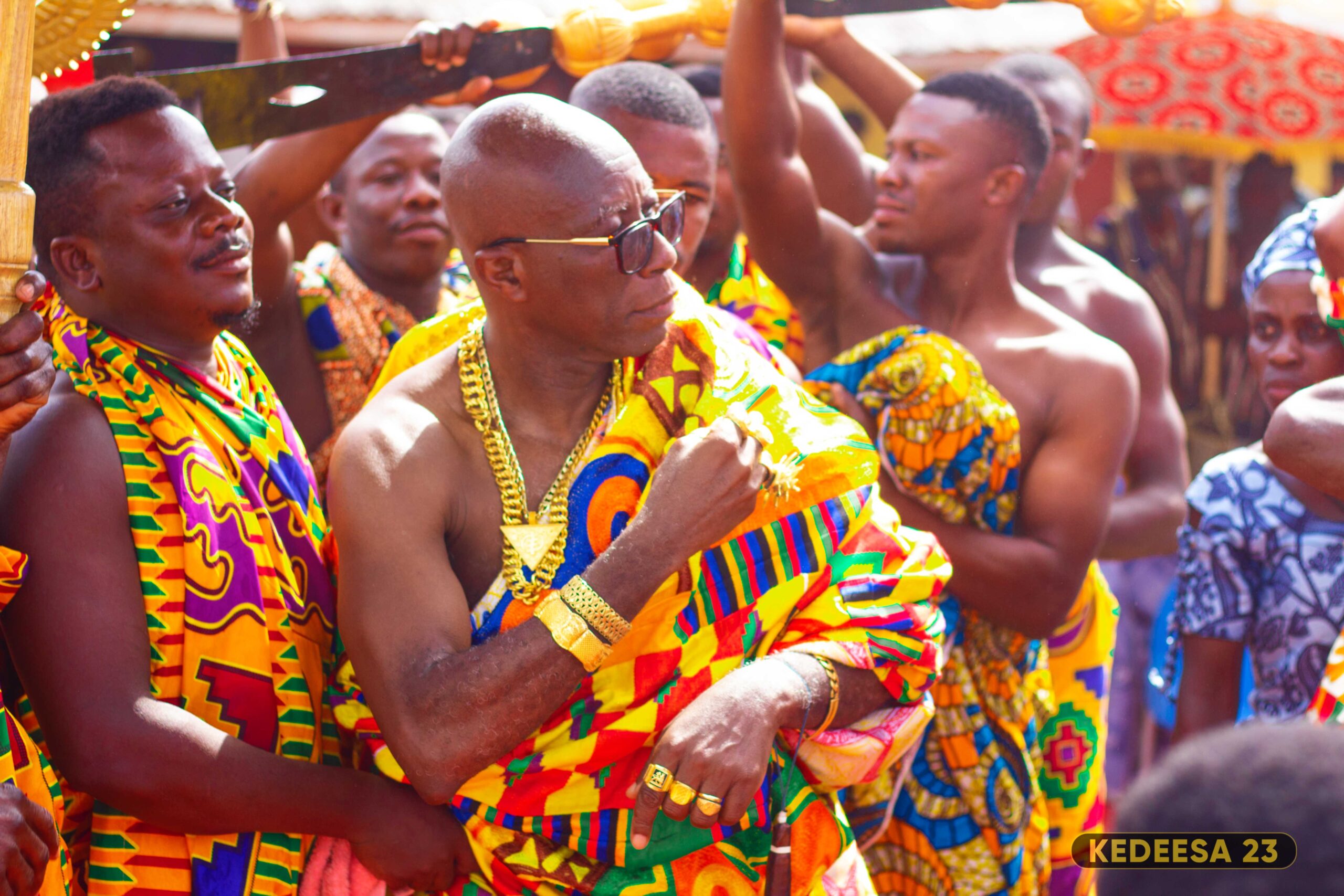
At the heart of the festival is the veneration of Kpebu, the principal deity of the Deloo people and the spiritual guardian of the land. Kpebu is believed to protect the community, preserve social harmony, and grant fertility to both the people and their farms. Before anyone is permitted to eat from the new yam harvest, the first fruits are ritually offered to Kpebu. These offerings are accompanied by prayers, sacrifices, and libation performed by shrine custodians and traditional priests, who seek divine blessings for good rainfall, bumper harvests, good health, peace, and protection from misfortune. The rites affirm the Deloo people’s reverence for Kpebu and acknowledge the deity as the source of the community’s continued well-being and prosperity.
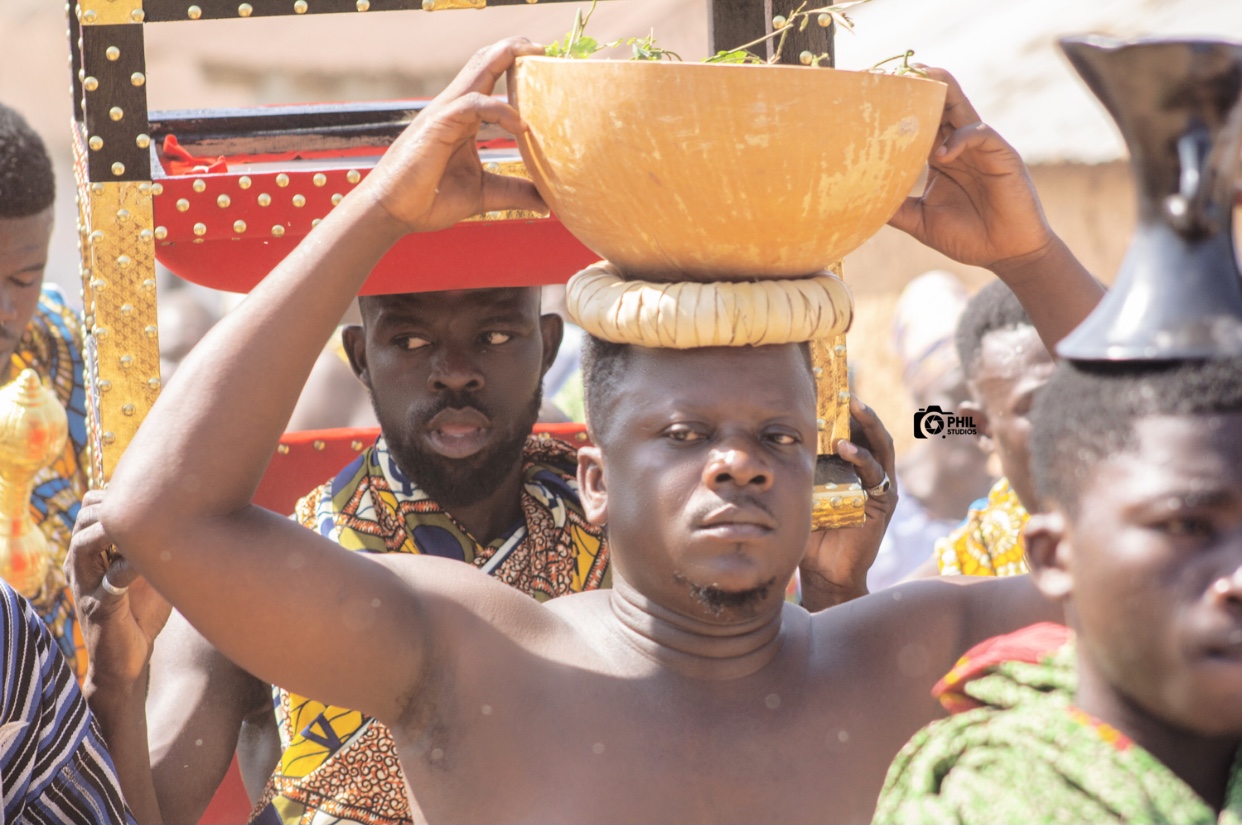
Fia–Kedi is also a celebration of unity among the settlements that form the wider Deloo Traditional Areas (North Ntrubo Traditional Area and Ntrubo Traditional Area). During the festival, people from Pusupu, Akyem, Salifukrom, and Brewaniase join the people of Bontibor in a grand gathering to celebrate the harvest and honour Kpebu. Chiefs, queen mothers, elders, youth groups, cultural performers, and visitors converge at Bontibor to participate in traditional ceremonies, processions, music, dance, and communal festivities. Their presence reflects the shared cultural identity of the Deloo people and demonstrates the central importance of Kpebu as a unifying spiritual force across the traditional area.
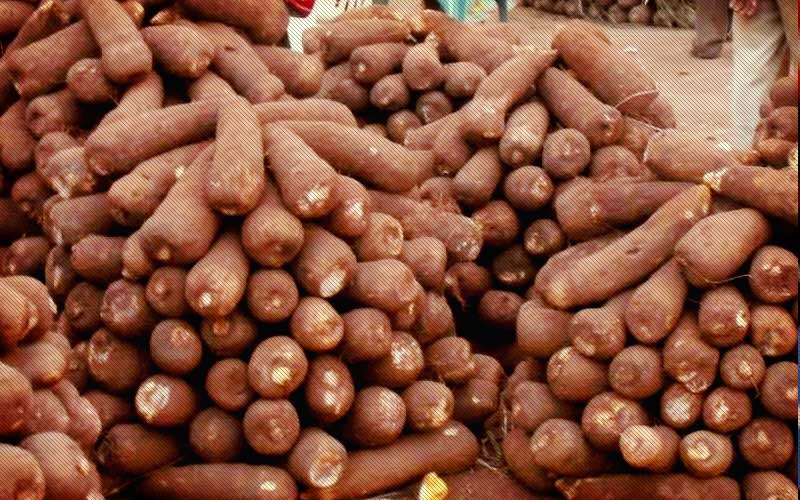
Today, Fia–Kedi remains one of the most significant cultural and religious celebrations of the Deloo people. Beyond commemorating the yam harvest, it serves as an occasion for spiritual renewal, ancestral remembrance, community reconciliation, and thanksgiving to Kpebu. The annual gathering at Bontibor reinforces the values, traditions, and collective identity that have sustained the Deloo people across generations, ensuring that their rich cultural heritage continues to thrive in the present and endure for the future.
By Degbengyoo Obirikitibi Amnadu Okordie